
The Future of Work Is Ours to Create
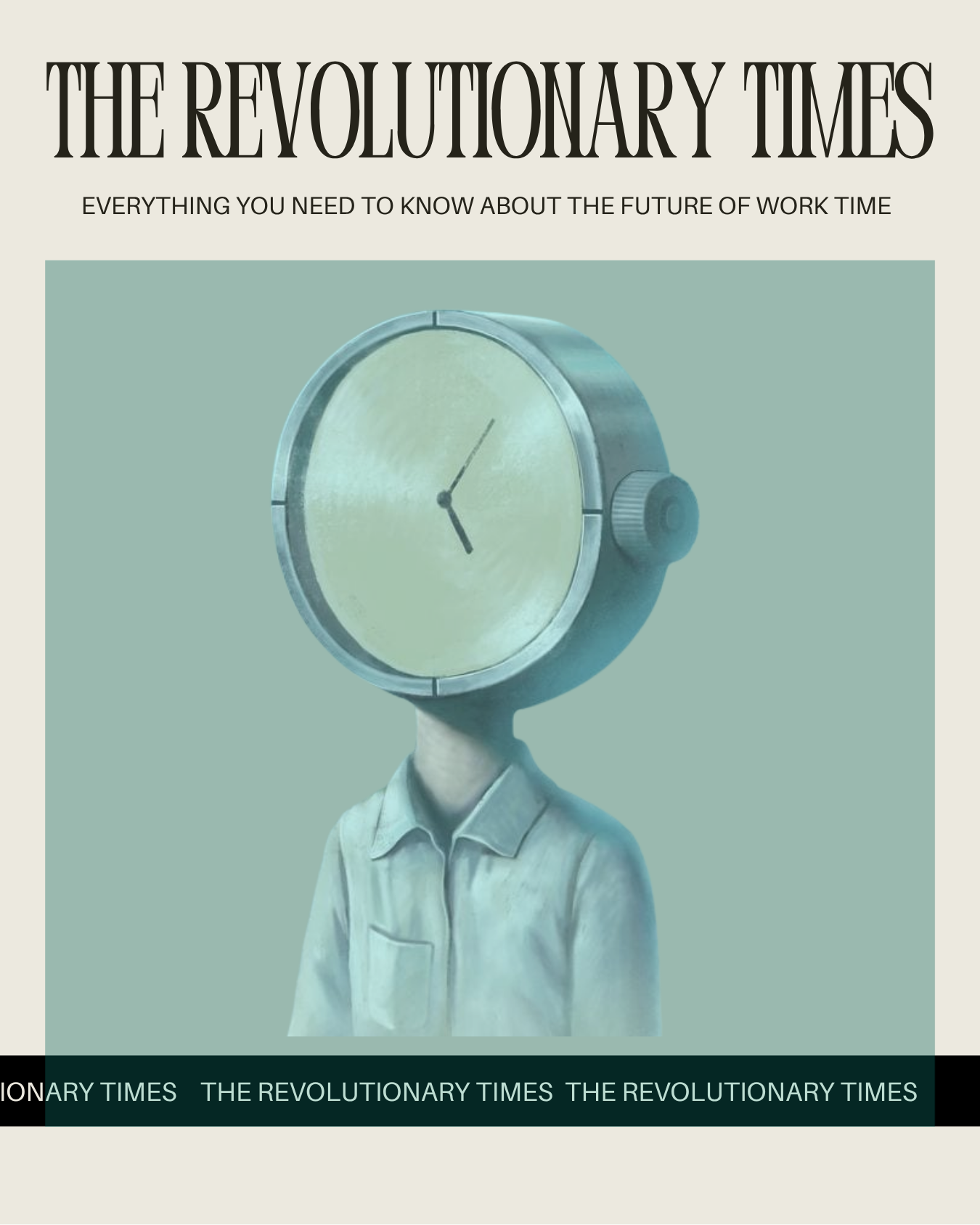
How we spend our days at work shapes how well we get to live.
Each month we take the ideas reshaping how, when and why we work, and ask what they really mean for the lives underneath them. How to protect the slow, human, creative work that machines can't do. Why judgement and imagination matter more in the age of AI, not less. What a four-day or shorter week actually asks of us. How to end overwork instead of rewarding it.
As AI rewrites the terms of work in real time, we ask the question that matters most: who are those terms for? Whether the time AI frees flows back to people or vanishes into more work isn't for the technology to decide. It's for us — a new social contract for the age of AI, written together.
Because a better world of work isn't something we wait for. It's something we build together. Read the archive below, and subscribe to join the revolution.
Run Dry
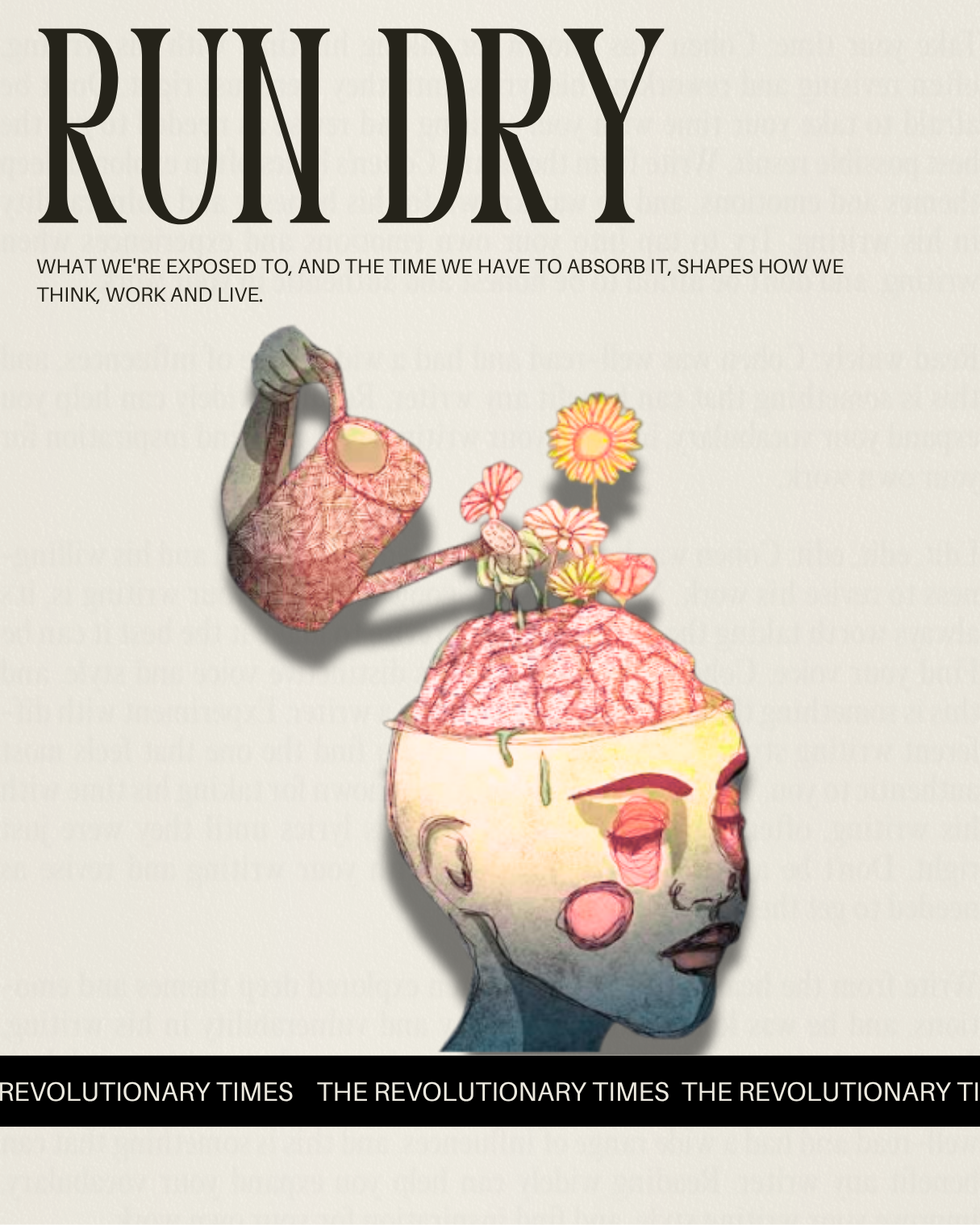
What we're exposed to, and whether we have the time to absorb it, decides how well we think, work and live.
We like to tell ourselves the barriers to the arts have fallen. Everything's a tap away now, every album, every book, a gallery in a search bar. The rest, the story goes, is up to you.
But that story glosses over something a lot of people don't have: the time to absorb any of it.
Unquestioned
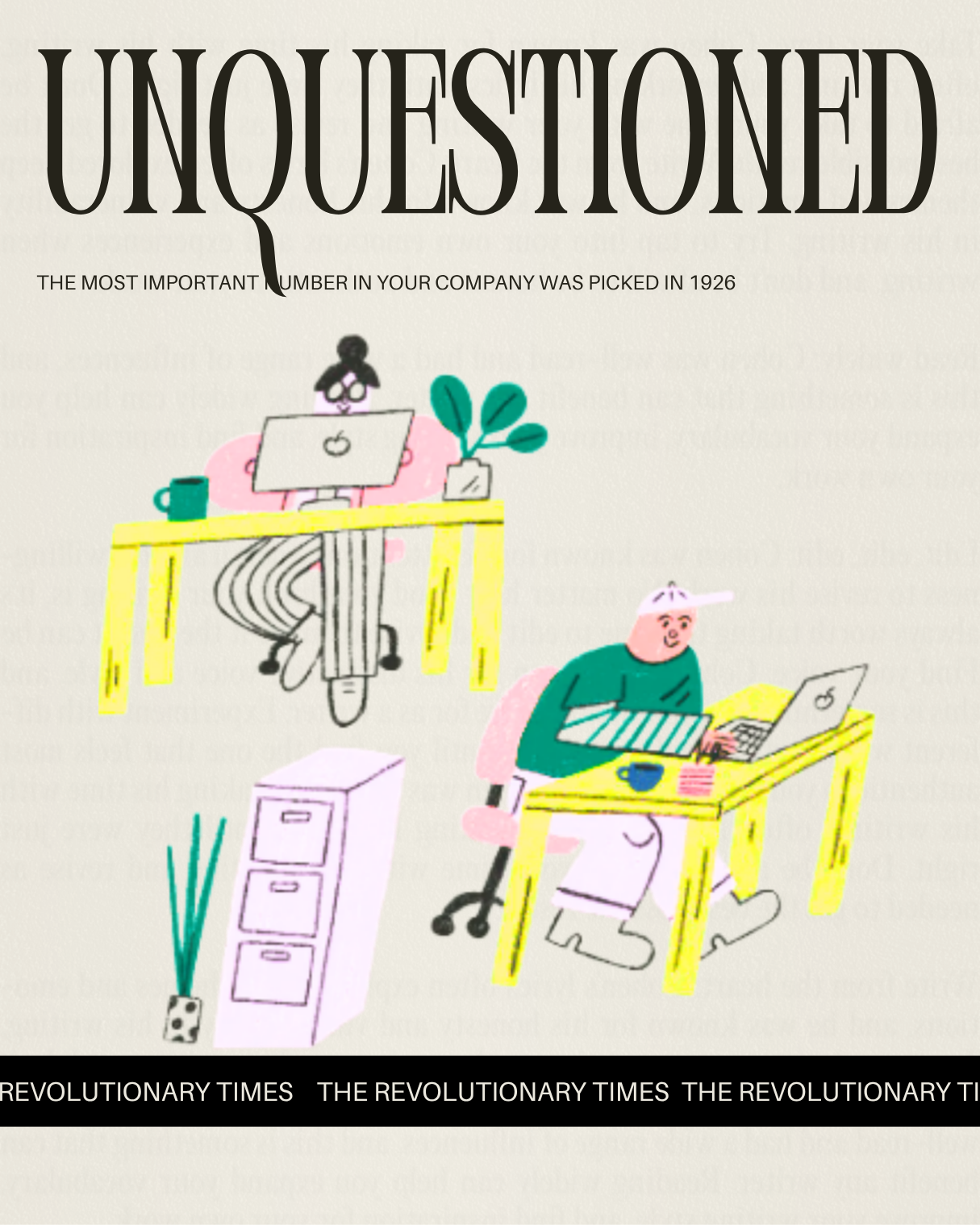
A hundred years ago this month, Henry Ford made the five-day workweek permanent at his Detroit plant.
He didn't invent it. He didn't test it in a lab. He didn't run a pilot, commission a study, or benchmark it against competitors. He looked at his factory, looked at his market, and made a bet: that rested workers would build better cars and that workers with a free Saturday would buy them.
The bet worked. The schedule stuck. And for a century, almost nobody has seriously asked whether it still should.
Think about that for a moment. The structure that governs when 67% of American men and 57% of American women show up, log on, take meetings, eat lunch, and clock off — was set by one industrialist, in one industry, for one economic moment. It wasn't handed down by the Romans, it isn't in any holy book and nobody sat down to calculate the optimal ratio of work to rest for human flourishing. It was a competitive move by a car company in 1926.
And then we built our entire economy around it.
Schools. Childcare. Commuter rail. Retail hours. Pension contributions. Health insurance. Mortgage qualification. The phrase "working week." All of it scaffolded onto a number Henry Ford picked when the workforce was 20% female, an hour of labour produced a predictable output, and nobody could email you after dinner.
This is not a newsletter telling you to adopt a four-day week. Plenty of organizations shouldn't — at least not yet, and not as their first move. What this newsletter is asking you to do is something harder: question the default. Because as AI rewires what an hour of knowledge work actually produces, the conversation about working time is going to happen whether leaders are ready for it or not. The only question is whether you'll lead it or inherit it.
Here are six questions worth asking yourself with this month 🚀
Blind Spots
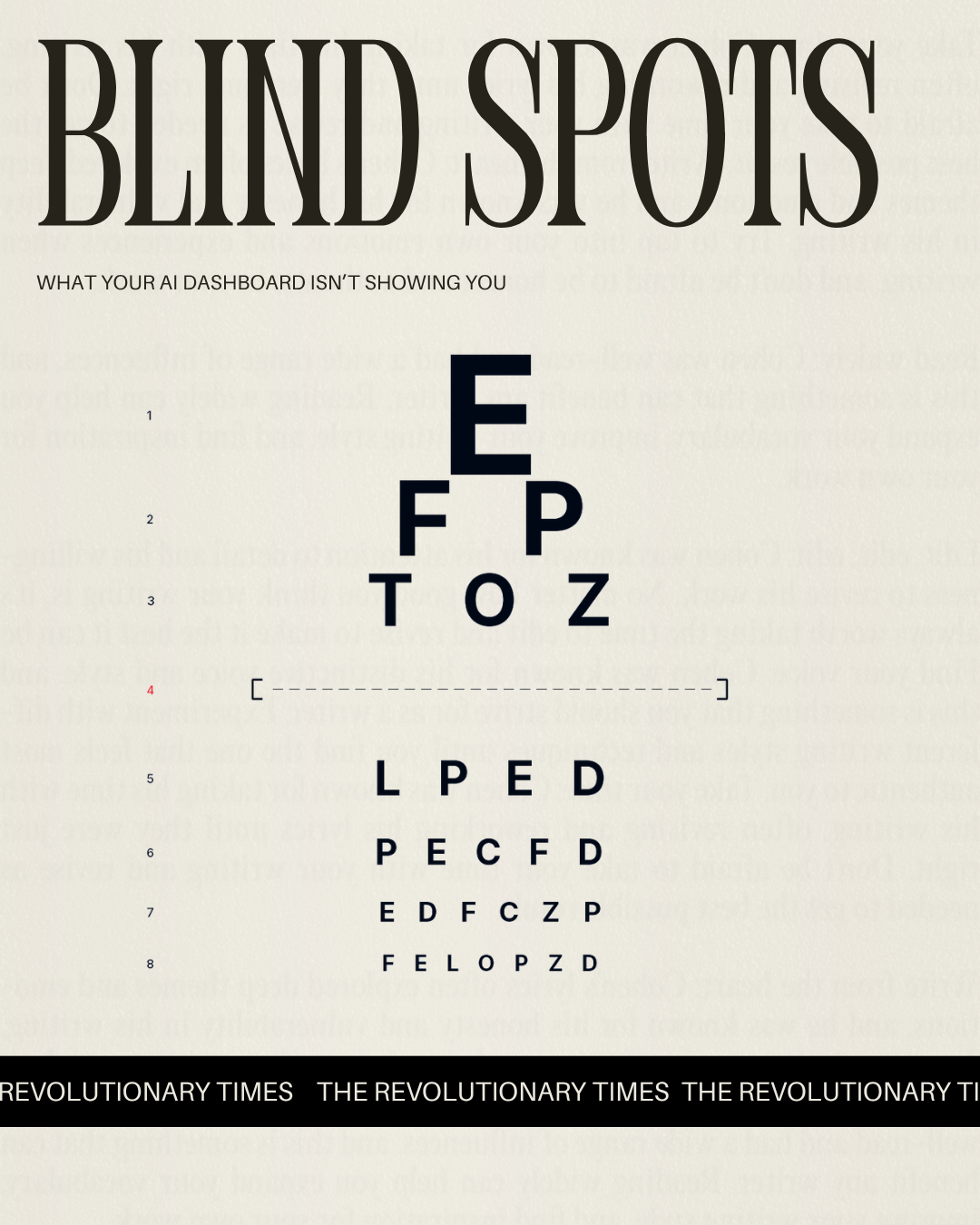
6 readiness markers that predict AI success better than your usage
Mark hit a huge milestone. His company rolled out AI tools across every function in under six months. Licenses deployed. Pilot programmes launched. Training modules completed. Usage dashboards climbing week over week.
At the quarterly review, he stood in front of the board and said his people were enthusiastic and bought in. He believed it.
Then the staff survey came back, and he found out only 31% of his employees described themselves as engaged with the strategy. Fewer than that said they understood it. Most said they felt behind, anxious, and unsure what "good" looked like in their role anymore.
While the dashboard said healthy, the workforce said something very different.
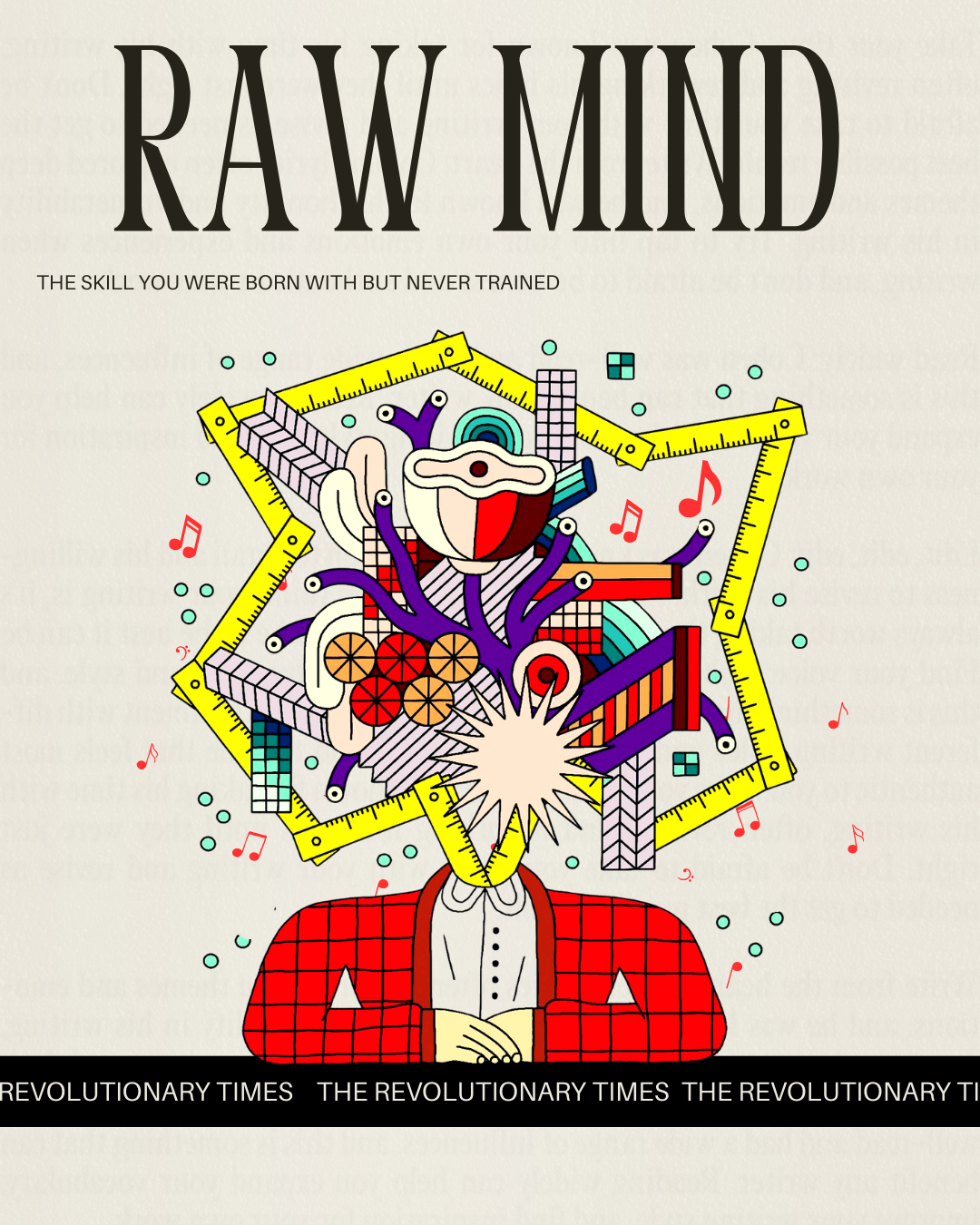
Raw Mind
AI has infinite patience and no original imagination. Which one are you becoming?
We know AI is handling the repetitive. Drafting, summarising, scheduling, formatting - tasks that once filled hours are now done in seconds.
The work that remains, the work that matters, requires something machines cannot replicate.
Instinct. Conviction. Taste.
The ability to see a problem differently and imagine a solution that doesn't yet exist.
Creative thinking is no longer a soft skill reserved for the marketing team. It is becoming the core competency of every role, at every level.
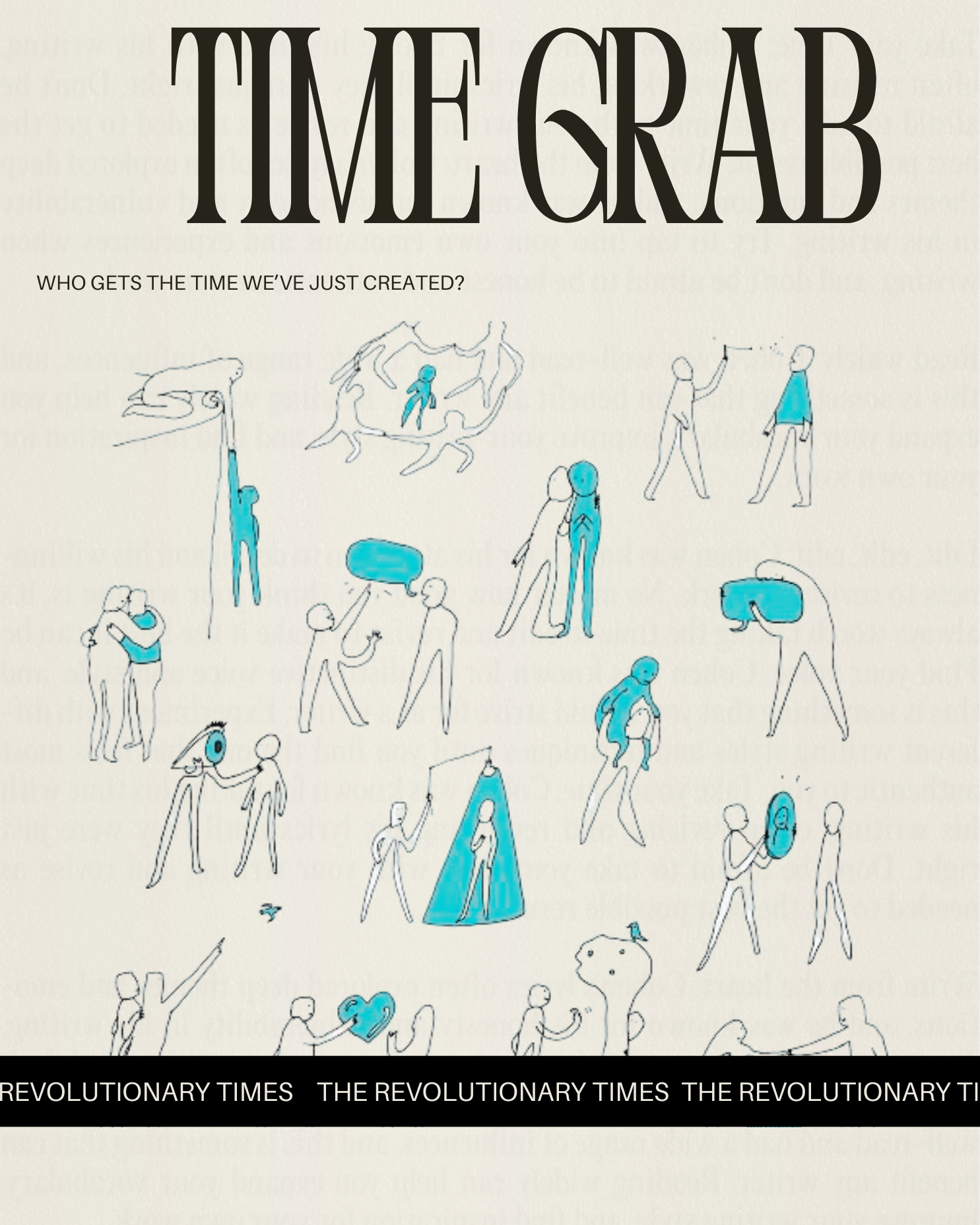
Who gets the time we’ve just created?
The missing outcome of efficiency
Across sectors, organizations are completing work faster. Tasks that once took hours now take minutes. Coordination, drafting, analysis, and reporting have all become more efficient.
Yet for most people, the working day has not shortened.
Instead, workloads have expanded, pace has intensified, and expectations have reset. Time saved has rarely translated into time returned.
At Work Time Revolution, we describe this gap as the missing time dividend - the surplus time created by efficiency that is absorbed back into work rather than redistributed in healthier ways.
Productivity has increased and time pressure has increased with it.
The issue is no longer whether efficiency gains exist, It’s how organizations choose to use them.
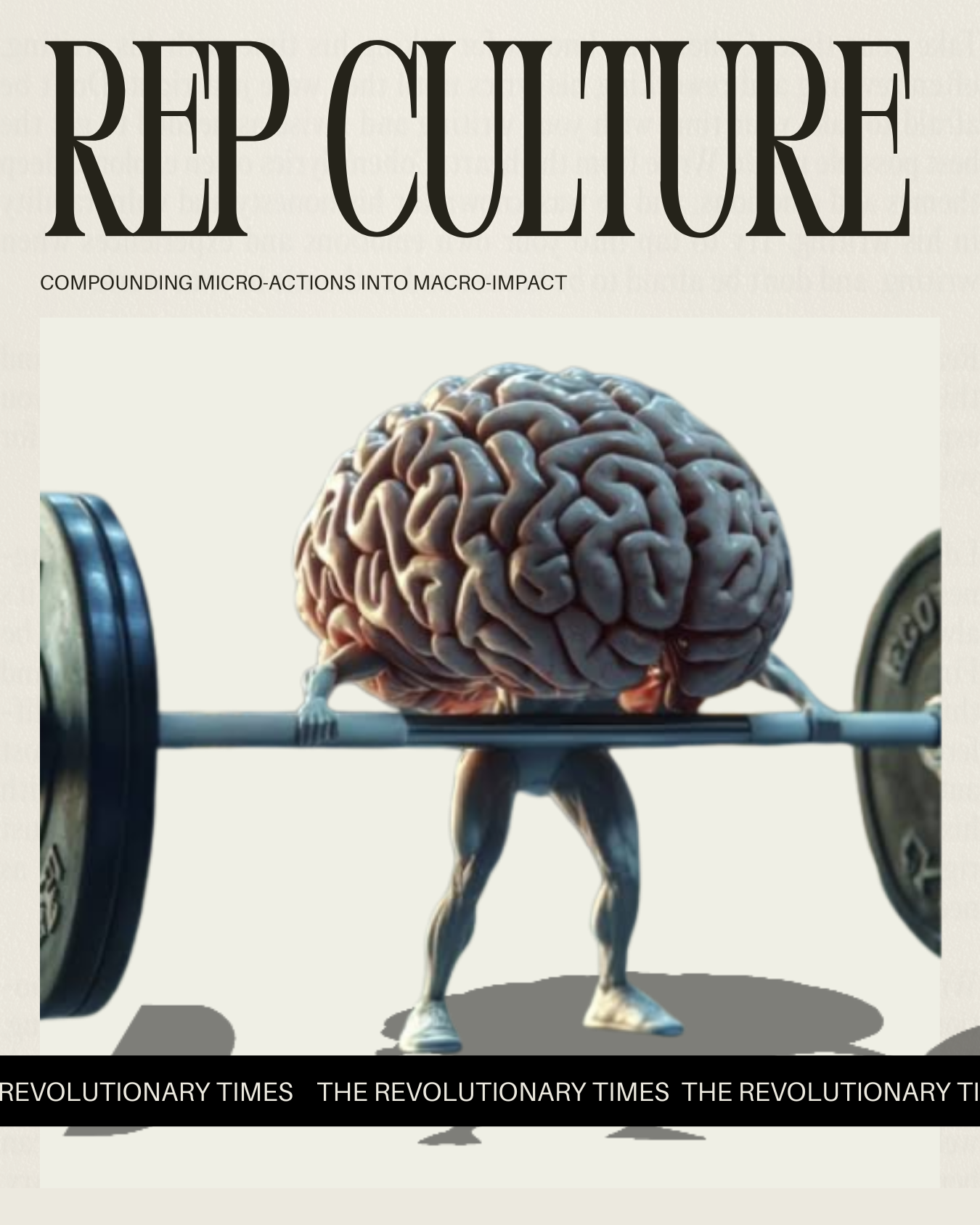
Rep Culture
Practice makes progress
The most successful teams aren't the ones with the best strategies.
They're the ones who build better habits.
The organizations that are thriving are building a culture where better work habits become automatic through consistent repetition.

The Slow Power Revolution
Slow is the new superhuman
While everyone else races to automate everything, they're deliberately slowing down. Not because they're resistant to change, but because they've discovered what we call the Slow Power Principle.

Balance Currency
The time-money tradeoff pendulum? It has swung firmly away from consumption and consumerism as the driving forces in our lives.
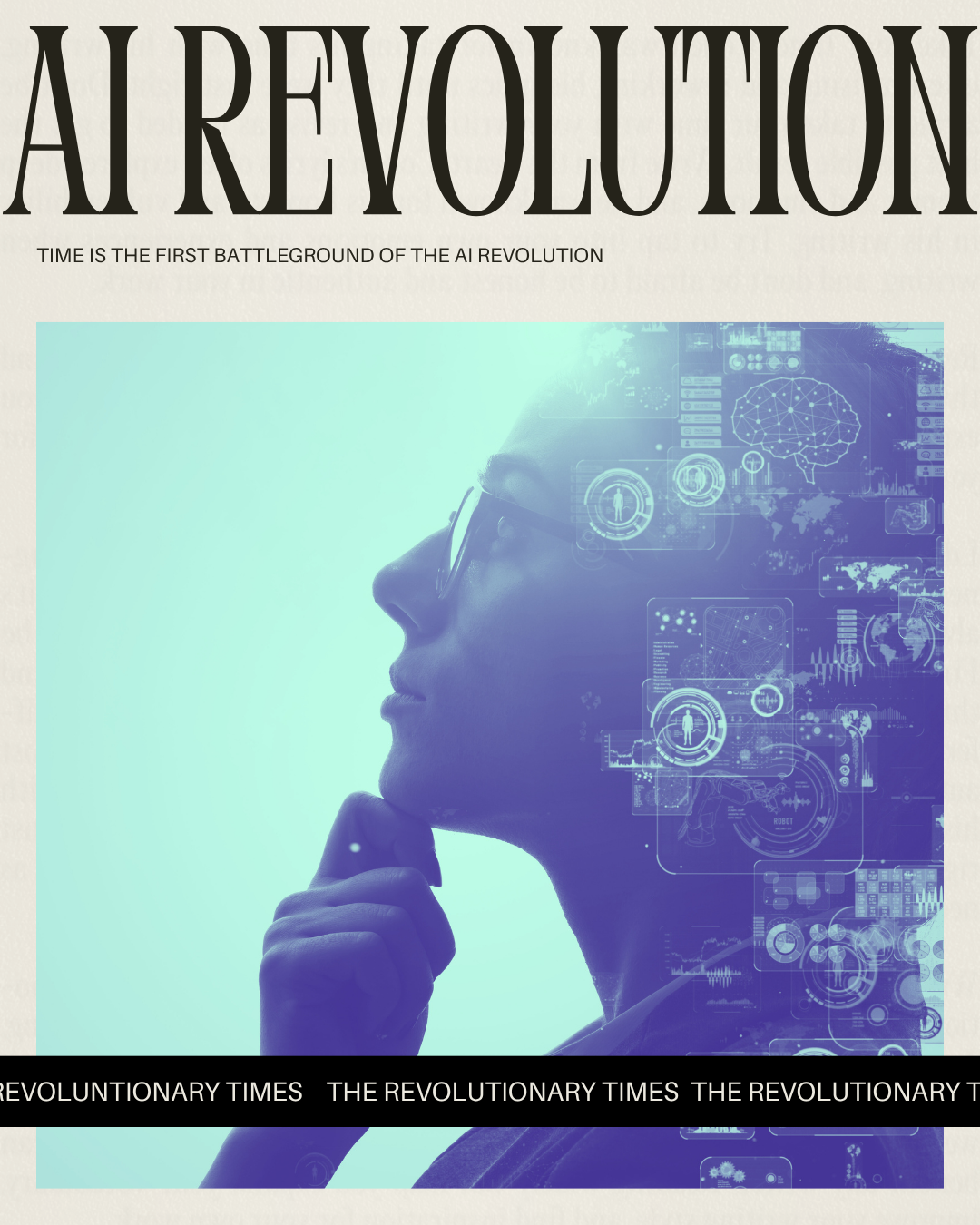
Time Is The First Battleground Of The AI Revolution
If we design work right, AI doesn’t replace us. It frees us. But only if we act now.

9 Surprising Pros and Cons of the 4 Day Week
The concept of the four-day workweek has been making waves globally, and for good reason. Statistics show a strong preference for work time reduction. A 2023 Dive Research survey revealed that 56% of employees would rather have a compressed 40-hour work week in four days. Our latest survey found that 3 in 5 employees would prefer a shorter workweek, even if it means working fully in the office.

Overcoming Overwork: why overwork is killing productivity and how to fix it
Pay rises that keep pace with inflation and the cost of living are often a standard expectation.

A Practical Guide to Building a Business Case for a Shorter Workweek
The five-day, 40-hour workweek has been the standard for over a century. But today’s workforce has the motivation, tools, and momentum to change that for good.
Businesses are under pressure to boost productivity, retain top talent, and prevent burnout, all while staying competitive in an evolving market. Employees are overwhelmed with work, engagement is dropping, and the turnover rate is expensive.
Something has to give.